Research-backedChange & Transformation
Kill Criteria Kickoff
At the start of every significant project, agree in writing what would make you stop it — and who makes that call.
Milestone20 minutesSmall team (2–10)
Theme
Everything on Rituals of Work about change & transformation, in one place.
At the start of every significant project, agree in writing what would make you stop it — and who makes that call.
Pause normal work for a day so employees can raise problems and propose fixes, without managers in the room.
A regular all-hands where leaders take unscreened questions from anyone — including the uncomfortable ones.
Ask a team member to explain the top priority in their own words. If it doesn’t match yours, your communication needs work.
When a project is stopped, hold a short, good-humoured “funeral” to honour the effort, capture lessons and let the team move on.
A quarterly event where employees nominate pointless rules and approvals — and leaders visibly scrap the worst ones on the spot.
When people stop recognising colleagues or sharing ideas, leaders blame motivation. Usually the real culprit is how hard we’ve made the right behaviour.
Once you understand something, it becomes very hard to imagine not understanding it — which is why leaders consistently overestimate how clearly their priorities have landed.
People speed up as a finish line gets closer and slow down when a new goal starts. Long programmes with one distant finish line stall in the middle.
The person who launched a failing project is the person least able to stop it — not from stubbornness, but because stopping means admitting the original call was wrong.
People are far more likely to finish something when they feel they’ve already started — even if the remaining work is identical.
Habits take much longer to form than the “21 days” myth suggests — and missing one day barely matters. What kills a habit is the dramatic restart afterwards.
Organisations slow themselves down by treating easily reversible choices with the same heavy process as irreversible ones.
A one-minute take on why good behaviours disappear when we make them hard — and why leaders should become Chief Friction Hunters.
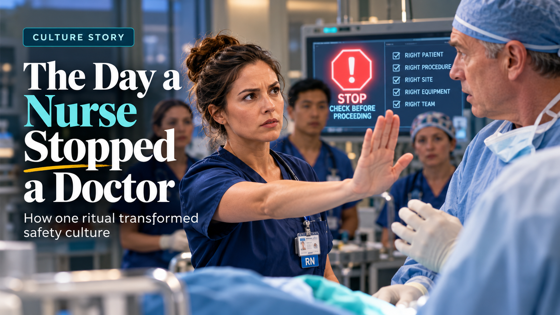
What happens when a nurse dares to stop a senior doctor? Discover how Virginia Mason Medical Center transformed its culture through a simple yet powerful ritual that empowered employees to speak up, challenge authority and put patient safety first. This remarkable story reveals how small, repeatable practices can break down hierarchies, build trust and drive lasting behavioural change, proving that culture transformation happens not through what we say, but through what we repeatedly do.
A step-by-step plan for leaders to diagnose their current culture, choose three priority behaviours and embed them through rituals in one quarter.